Feet on Ground

IMG_5084

The great art of grounding. It seems like the most simple and natural thing in the world, right? After all, don’t we all stand on two feet? Yet, how many of us find it challenging to be truly steady?

I must admit, having lived the last few years on the road, this is not strong point. But as I ground here in San Francisco, I am rediscovering my land legs and reassessing what it means to be grounded. My relationship with the ground is changing because it is no longer constantly shifting underneath me. For years I sought strength from my center in order to be spry and flexible and to find steadiness in a world of movement. Presently, without all that whirling, I am surprised to find that my relationship with the ground is not what it should be. In this relative stillness, I am finding my feet, the whole feet, the weight, how it engages the legs and feeds into the center–all of which existed before, but now, with solid ground beneath me, I feel both the support and, well, the challenge of it. The ground does not give. Push on it and it pushes back–and that’s even more supporting.

As a result I’ve been on the watch for it, not only in my own practice but in the practices of those who are in my care at present–which I suspect makes me kind of a pain sometimes. I know what it’s like to be standing on two feet and not really interacting with the ground and I’m starting to understand what it’s like when that relationship is strong and active and how it makes a huge impact in the integrity of every pose, of every vinyasa, of walking, of standing.

These days, each time I get on the mat, I ask myself, am I fully grounded, am I fully interacting with the ground beneath me, or am I just going through the motions, my feet and the floor beneath me, just barely touching.

PHOTO: Finding my feet in San Francisco. Mural Room, De Young Museum.

Moon Day Practice

IMG_5176

Today, as I sat having tea with some beautiful devi-friends at the Hagiwara Tea Garden in Golden Gate Park, which was preceded by a lovely morning walk around the grounds, which was preceded by a much appreciated lie-in (anything past 4:15am is a luxurious sleep in for me during the week), I could not be more grateful for Moon Days–full moon and new moon are rest days in terms of practice, thus, I also do not teach on these days.

This New Moon felt both restful and nourishing. The opportunity to engage with the morning differently, to seek out community outside the practice space, to be outdoors and enjoy the summer sunshine–a scarcity here in San Francisco until recently. To observe moon days are a practice in themselves, and an extension of our yogasana practice. It is the practice of rest, of honoring the needs of the body to rejuvenate itself, of honoring the needs of our subtle bodies–the nervous system, the mind, the emotional body–to integrate the information that is gleaned during yogasana practice.

It is a practice to calibrate ourselves with the cyclical nature of the moon–and, thus, with nature itself. This happens naturally when we observe the moon days. We allow for the depth of practice to move beyond the rubber mat into the greater world we live in.

Particularly with this moon falling on a Wednesday, it feels like a holiday midweek. We often return from holidays with more energy, greater clarity, deeper resolve. This is an important part of practice; we ought to observe it, enjoy it, embrace it.

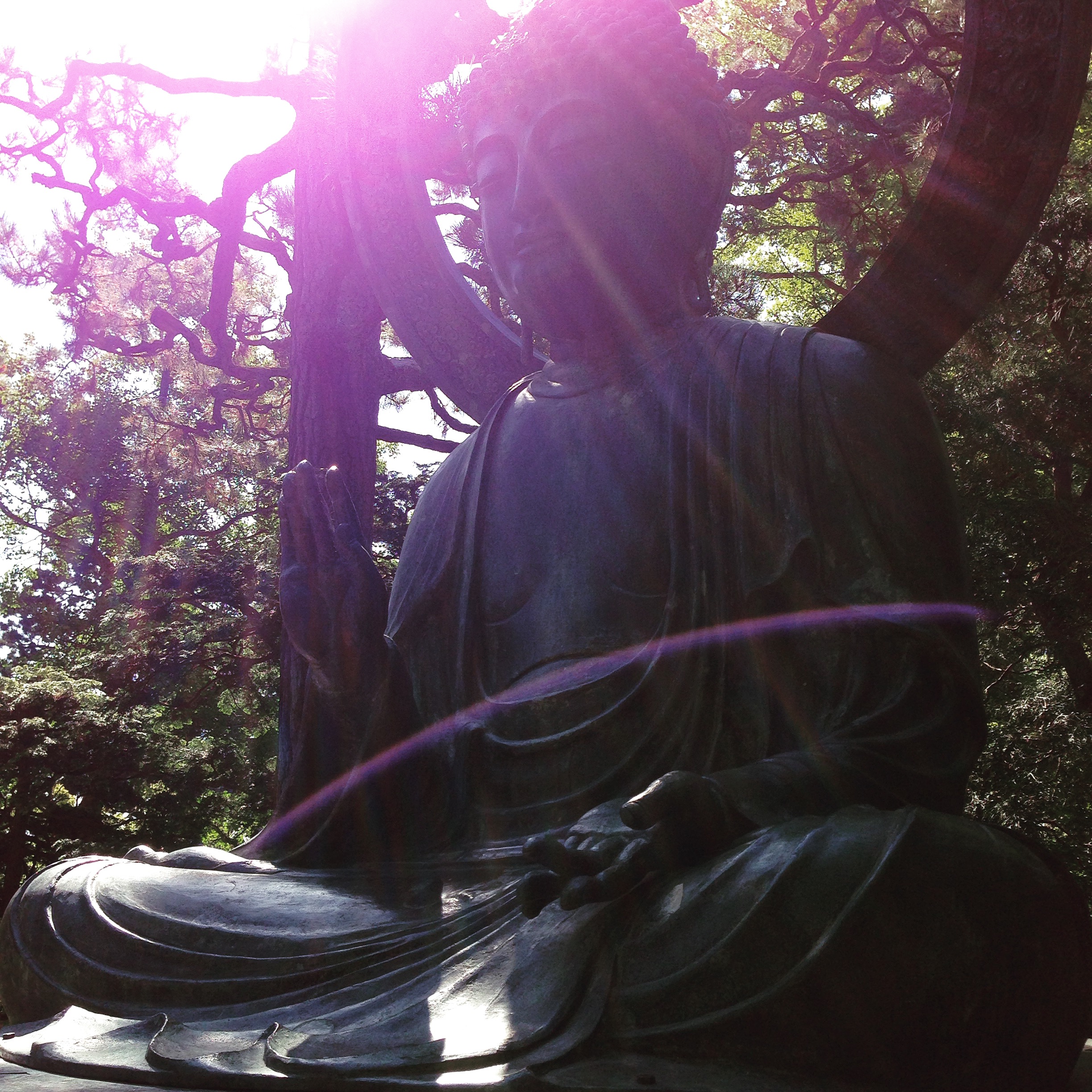
PHOTO: Buddha bathing in sunlight at the Japanese Tea Garden at Golden Gate Park. It seems inseparable these days, yoga practice and life. Even during my break from practice, the trajectory was all to familiar: the balance of the Japanese garden, the use of elements to draw one into meditation, the discourse the ongoing journey to find the self in equanimity. Makes me smile. There is no real break from real practice.

Another World: Mysore SF

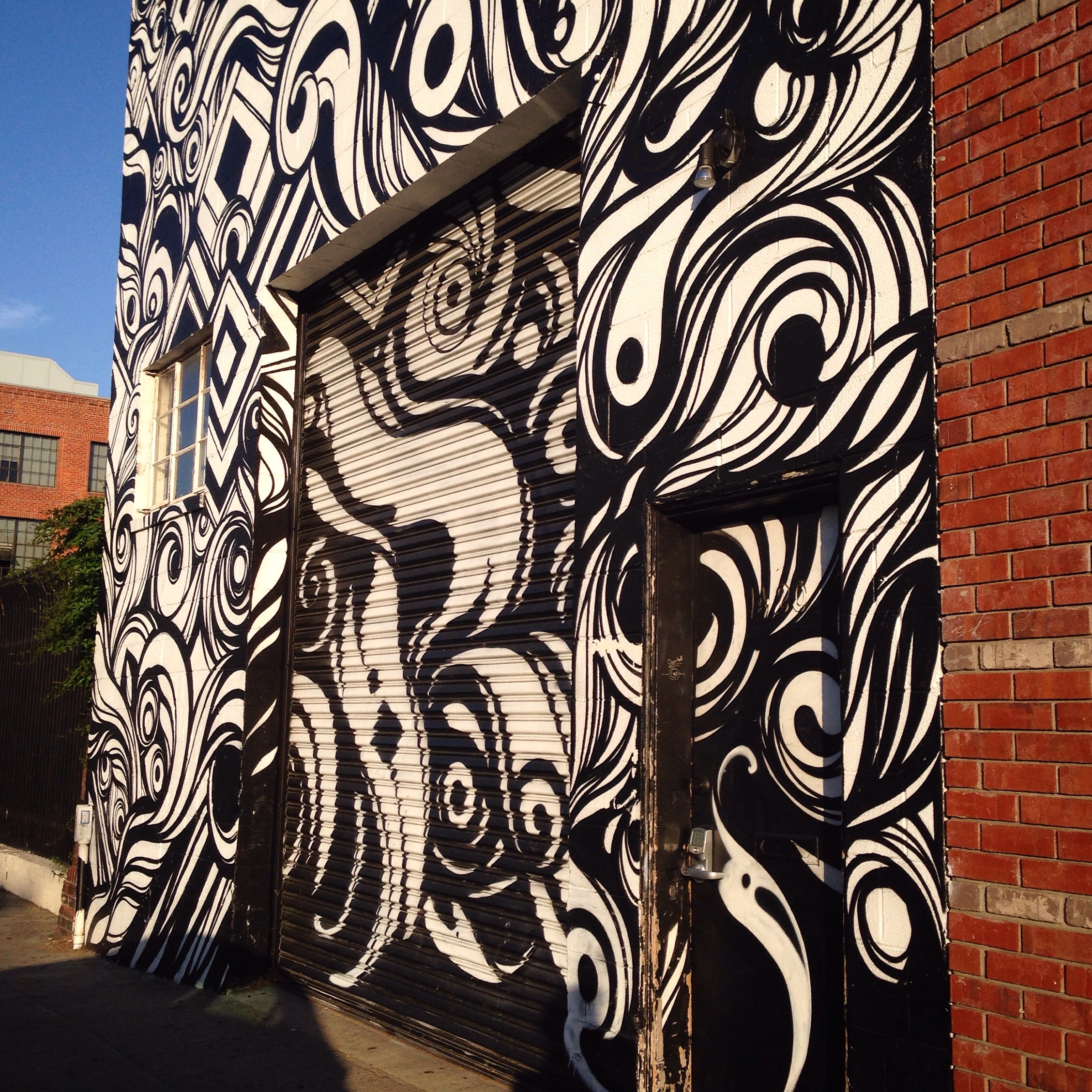
There are no signs here. No glitzy window dressings or clear glass where one might peek through and see yoga bodies. There is no merchandising. There is a door with a push-button code. Ok, the building, a dance annex, isn’t exactly non-descript, but the eye-catching yet abstract design that swirls and flows on the edifice mysteriously pulls one in—just like the practice that is going on upstairs in the early hours of the morning. This is Mysore SF.

Many Mysore spaces that I’ve visited has that in common. It’s low key. Usually not affiliated with a mainstream yoga corporation. It doesn’t dress up the practice. oys got its own energy, attitude. There is usually a great deal of condensation on the windows. The feeling of shanti or peace is not accomplished by burning incense or the sweet tones of new aged devotional chanting; it happens through consistent daily practice, a lot of patience, hard work, and on occasion a healthy dose of struggle just to remind you that you are alive and still well up for fighting the good fight. It is a room where people breathe and move. And if you stick with it, it’s a place where a kind of alchemy starts to happen.

I am always impressed and in awe of how practice evolves and translates in different countries, in different cities and spaces, and in the hands of different teachers–who, especially when they are teaching authentically, are all pretty unique. How distinct it feels and yet how it remains constant and true to the essence of Ashtanga yoga. So it is here, the same as everywhere, and yet also different. 

Like the fog here in San Francisco, students surely but quietly roll in, unfurling their mats like wings, breathing and moving, fogging up the windows, then rolling up their mats, returning the next morning to repeat the process. There is a steadiness to it, it’s substantial but also light. Like the morning fog rolling into the city, you can count on it. For me, coming into work these days is like watching the day break, seeing the world waking.


For more information, visit: http://www.mysoresf.com.

Catching Wind

P1270556

The wind of practice–how to explain this, how even in the most humid of rooms (such as the one I am currently practicing in here in Mysore, India) there is this light energy that sweeps one up, and we fly, breezing from one posture to another, flowing through the different layers of body: the physical body, the mind body, the pranic body.

It is the energy of the room, we are lifted by the breath, our own and the collective breath, as well.

For some years now, I have relished this phenomenon here in Mysore. I have enjoyed being blown about; surrendering to it has been a journey, and I have often greatly delighted and surprised at where this wind has taken me. Furthermore, this wind blows quite far and has propelled me to all sorts of places, all sorts of life lessons and experiences.

The time comes, however, when we must pilot these winds, when we must actively participate in our own flying, when we must take responsibility for determining our directions, for the strength of our own breath, when soaring whichever way is a choice not a matter of happenstance.

And when this time comes, do unfurl those sails, do allow the wind to power you, as you steadily take the wheel, steering yourself to wherever new or old lands you feel compelled to go to, taking support from the wind but– all the same– doing your own flying.

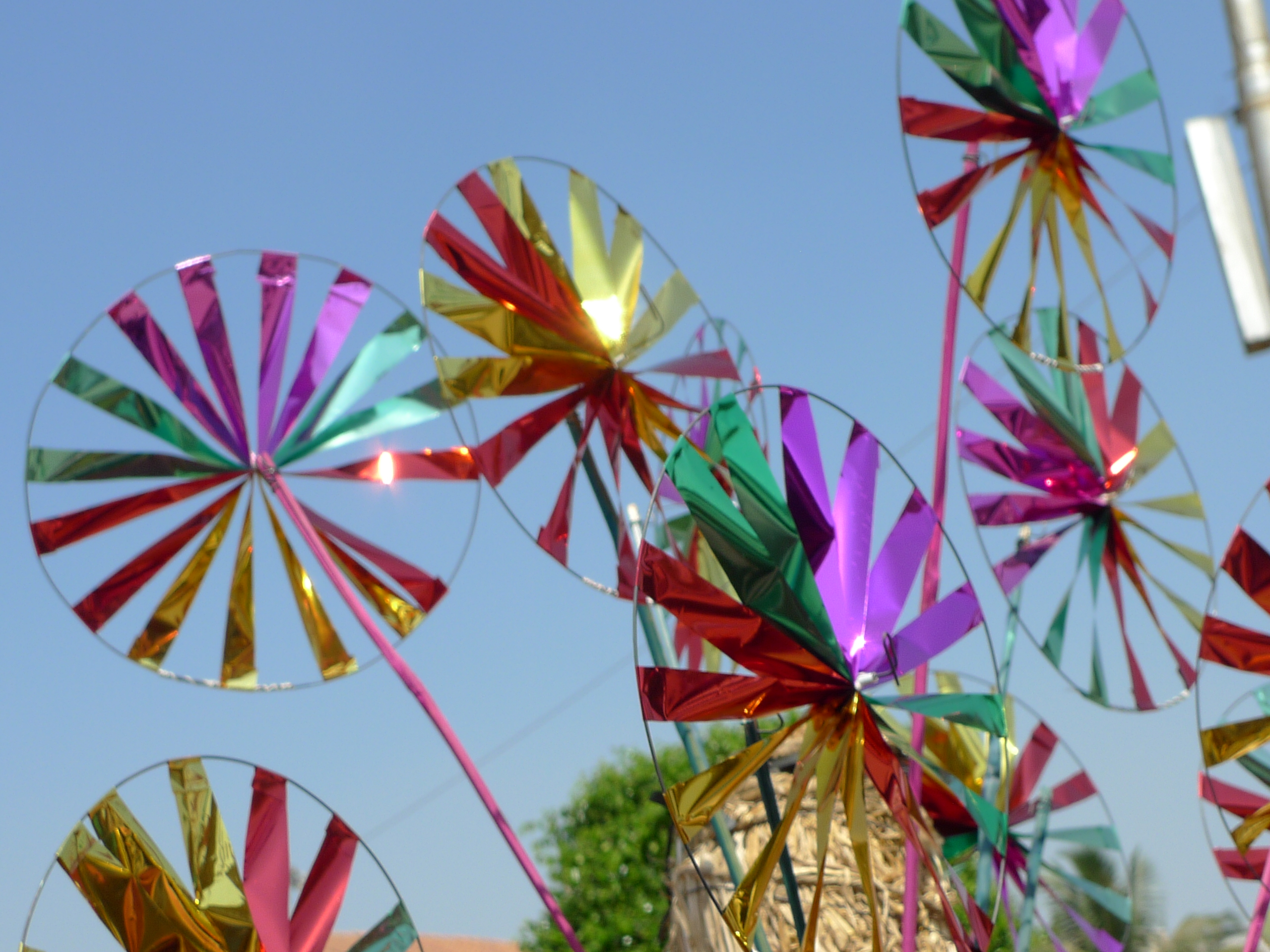
PHOTO: Among the toys and trinkets for sale at Nanjangud’s Shiva Temple during Shivaratri last month. Karnataka, India.

Reconstruction

2015/01/img_2794.jpg


Sometimes, we break down. We wear out our bodies with habitual misuse and patterns of misbehavior, which more often than not sneaks into even the most-mindful of asana practices.

I arrived in India all set to dig deep into my personal practice but also incredibly worn out. My back spasmed, an early warning sign, I feel now, asking me to reassess my approach to my body’s habits amd movements. And since then, practice here in Mysore, India has been about slow and steady healing, rebuilding and reconstructing a practice–so that it might be better than before, more sustainable, more long-lasting.

The great lesson of this time has been about the healing properties of practice, particularly primary series, which is apply named “yoga chikitsa” or “yoga therapy,” the space that the breath creates, the heat that slowly allows the body to mend. It has been a great exercise in patience and acceptance, an amazing opportunity to observe the pull of the ego and my own attachment to the physical aspect of practice.

There has been pain of all sorts: body, heart and mind–though what remains is this: a great sense of reconciliation and harmony between the three. Of course, there are all sorts of pains and varying degrees of injury, but this recent experience is a reminder for me that each difficulty, each challenge is a gift, that we are called to have courage enough to unwrap it.

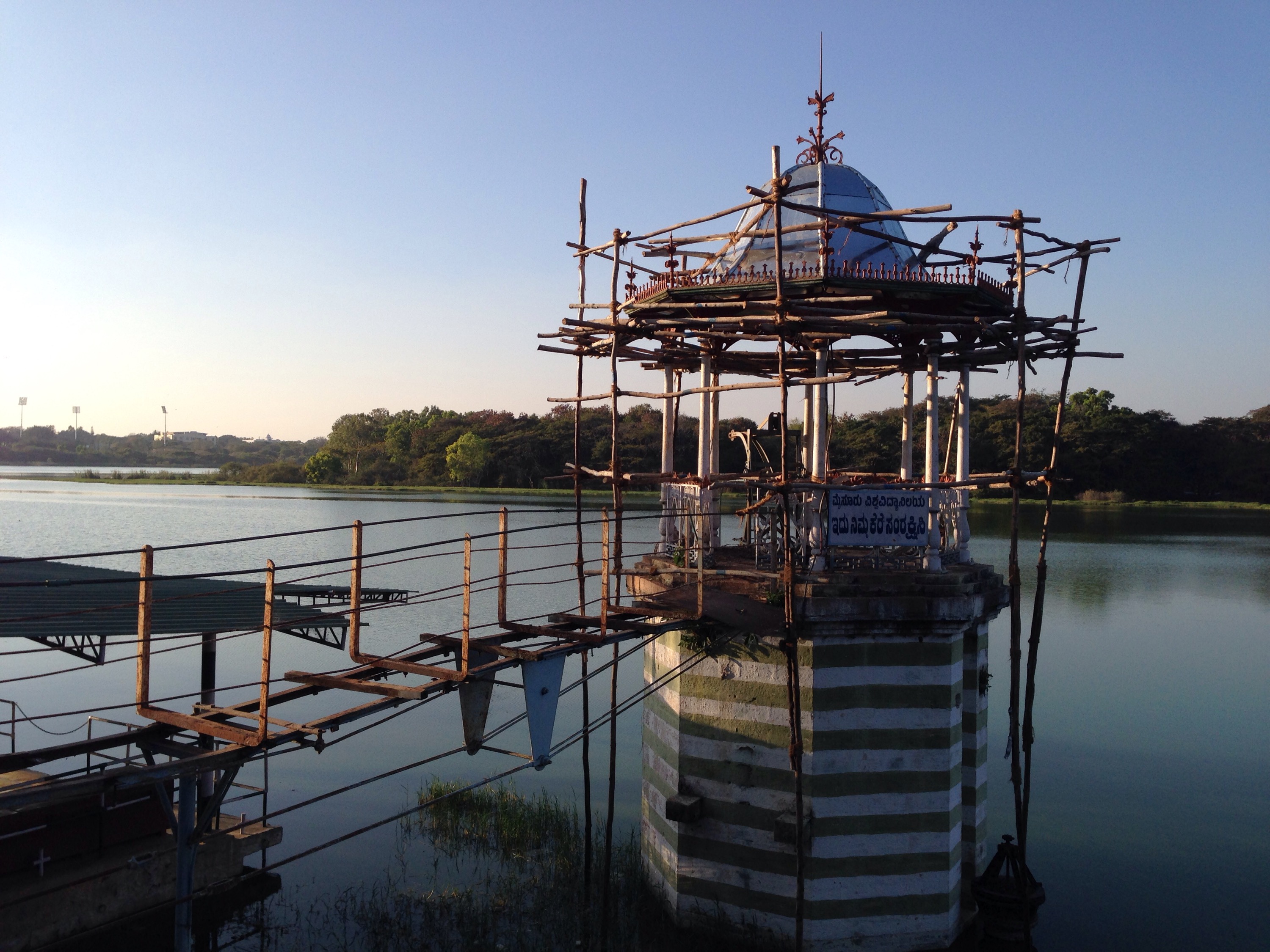
PHOTO: Tower on Kukkarahalli Lake, taken nearly 2 months ago. Today, scaffolding is already off the renewed structure. My back is also very well now, after 7 weeks of practicing only primary series, I returned to practicing intermediate poses pain free . Everything changes with time–so long as we give it space enough to do so.

The Shala Seeding

20141218-171932-62372945.jpg

It’s my second to last self practice morning in Cairo and I walk through the Shala door, instantly struck by heat–the unmistakable warmth that comes from consciously moving bodies, from that deep breath with sound. I look down and am excited by the numerous pairs of footwear, more than what could fit on the shoe rack behind the door. I cannot help but smile in excitement, “it’s really happening!”

The Shala is the new yoga space, opened by my friend Iman Elsherbiny and her partners Lina Almari and Fadi Antaki, which partly drew me back to Cairo this last time. A little known yoga treasure in this part of Cairo, The Shala boasts of the only regular traditional Mysore program in Maadi (Mysore is a self paced way of instruction that empowers students to own their practice, to move consciously with breath, to learn the practice that is perfect for their body at the present moment) while also offering children’s yoga, TM meditation courses, kirtan, and vinyasa flow classes.

It’s been a joy to see the how each day is different, how the classes are filling up over the months. And then to come into a room that’s heating up, well, it’s pretty exciting stuff.

Of the teachers within the Ashtanga yoga tradition, I fall into a particular breed that move, from one place to another, covering programs, guest teaching–I do my part in the propagation of the yoga practice, spreading yoga dust with my traveling yoga mat.

However, a different kind of work awaits the teachers like Iman, brave enough to open shop and hold space on a regular basis (the gold standard amongst Ashtanga teachers)–they are like seeds, rooting themselves into the ground so that they can build a proper foundation in which a space as well as people’s practices can grow. It means overriding the wanderlust, it means showing up each morning no matter what. This is where the magic of daily practice happens, under the care of those willing to seed.

It’s been a very special time, this seeding of The Shala. It’s been really special to see this space at its infancy, to see it at so many “firsts”. I look forward to seeing it grow.

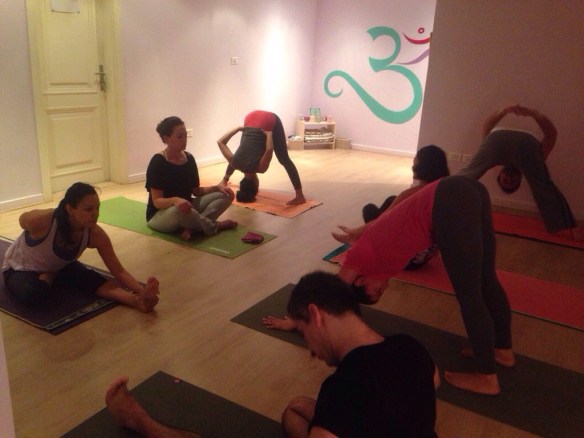
PHOTO: Mysore mornings at The Shala: seeding, growing! Mysore classes with Iman are 8-11am Sunday to Wednesday. The Shala is located at no 6, Road 200, Maadi.
Lila, Play of Practice

IMG_6753 IMG_6758 IMG_6762

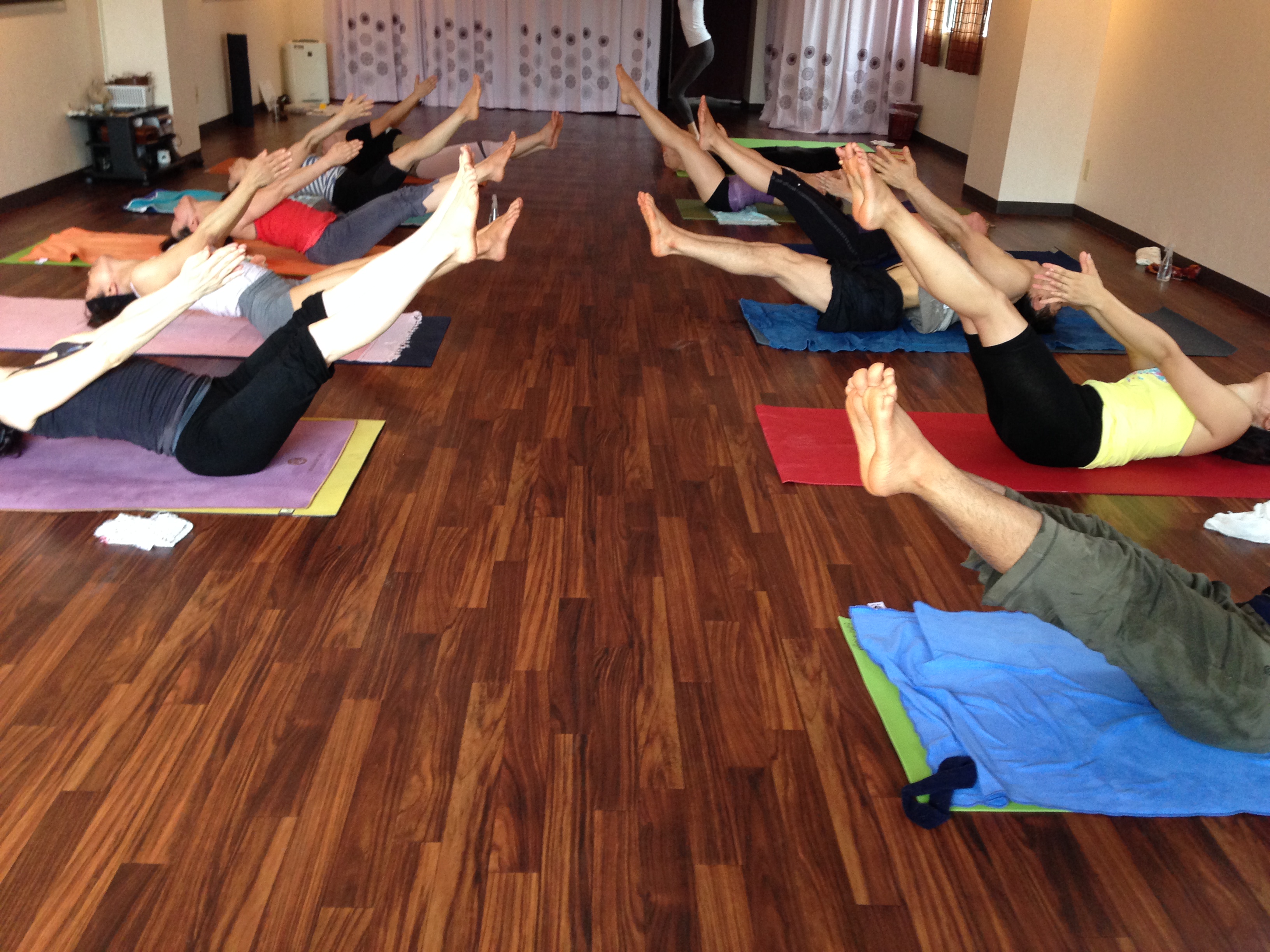
Looking at the photos above, one cannot escape the physicality of the ashtanga practice. Yes, our bodies take shapes in space. Yes, we move up and down the mat, tumbling back and hopping forward. It can look acrobatic. It can look a bit–at times, a lot–like the play of a contortionist. 

And at times, we get stuck in this play, in what appears like a sportive drama. We get preoccupied with the form, in what the asana looks like, instead of what it feels like. But this too is a part of the “lila”– in Sanskrit, “lila” is used to (depending on the tradition) describe the play between the Divine and the human world, the Absolute consciousness and “prakriti” or nature. And this play exists for our benefit, for our own awakening, so that we may go beyond the drama, that we may go beyond the physical. 

We do not practice sport. In Mysore, India, when I myself study, our teacher often reminds us, sometimes reprimands us! that practice is our “sadhana.” It is a “spiritual practice.”

And that all this play, this lila will lead us to remembering–to remembering who we are; that we are Conscious Soul-Full beings.

PHOTO: Led Primary two Fridays ago here in Spirit Mysore Osaka. Spirit students embodying that beautiful play between the physical practice and deep personal work that inevitably happens along with it.

Sky Is the Limit

20140803-055917-21557797.jpg

Often, we look at practice as a physical form. We are in the body. We perceive ourselves in both our expanding abilities and our physical limits.

We get stuck, more often than not, in the asana and we identify with the boundaries of our body. We frustrate ourselves. And that “stuckness” spreads into our mind and into our hearts.

We forget that the real challenge is not within the body but to go beyond the body. That true expansion comes through self-compassion, love and acceptance, by learning that the so-called limits of the body are lessons for the soul and the spirit. That going deep within is as much a journey of expanding outside ourselves, breaking down all the walls of separation. 

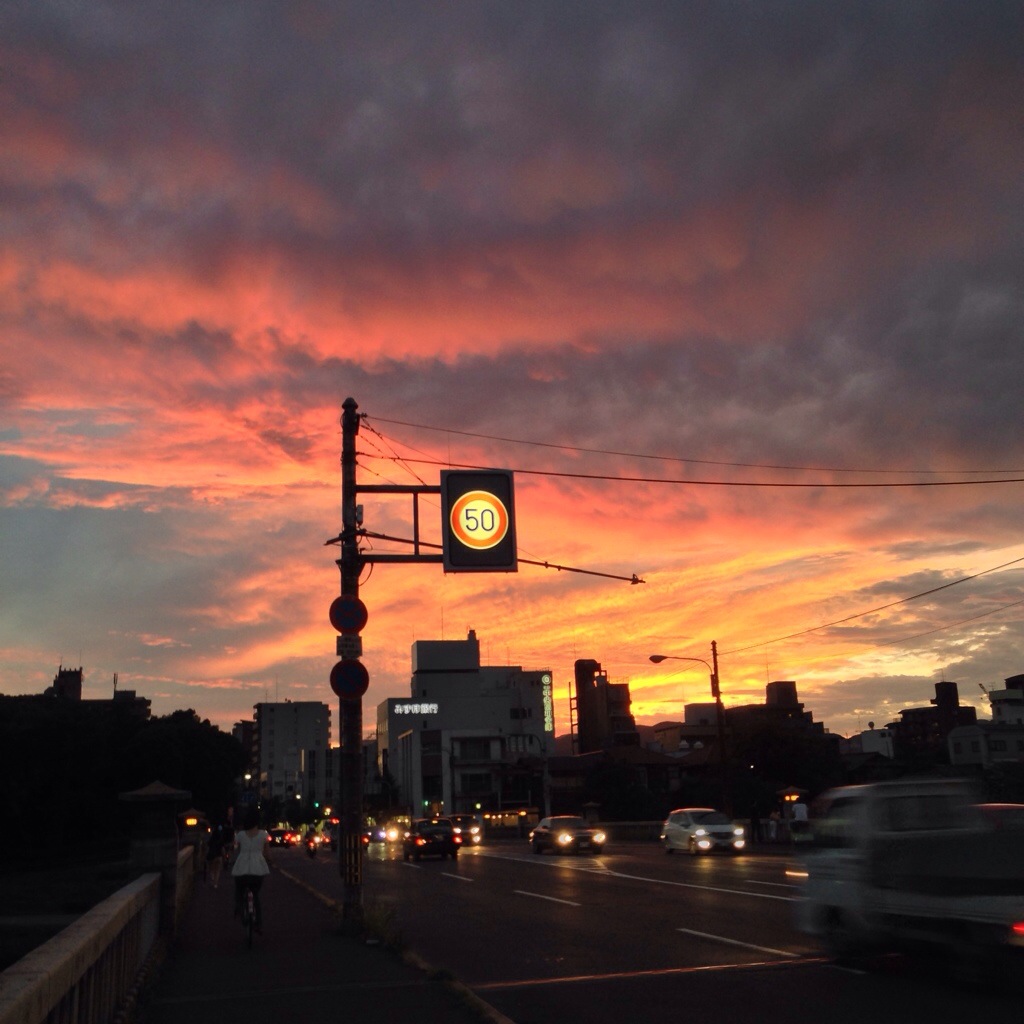
Like the photo above, the practice is seeing beyond the limits. It is seeing the sky that goes on and on and on…and being struck by the wonder and miracle of it as it transforms dramatically moment to moment.

PHOTO: Sunsets, a beautiful metaphor of the unending cycle that is life and practice, always amazes me. Kyoto, Japan. 

Mysore Meeting Place

photo-2IMG_5677


There may be no words, no looks. No exchange of names. No memories other than bodily shapes in space, movement, and breath. Yet, this is where we meet.

This place where there is no dress code, no make up, there are no formalities. We are allowed to be ourselves, different and at the same time feel as if we are in perfect harmony, no matter what culture we hail from, what body type we have, what age group we belong to, whatever our range of flexibility might be, whatever our skill or talent or experience.

We meet here: in this sacred space of unifying energy, sadhana, practice.  

PHOTOS: Spirit Yoga Osaka, Morning Mysore. These images of Melissa and Naoko practicing remind me of the profound unifying energy of practice. The poetry of what happens in a mysore room. 

Soaking up the inspiration here in Osaka! I am in my second and last month of covering for Veronique Tan here in Spirit Mysore Osaka. Mysore Morning schedule in August: Sunday 7:30am, Monday to Thursday, 6:30-10am. Friday 6:45am Led Primary, followed by Satsang.