Catching

Image

For the ashtanga practitioner, the word “catching” spoken in a Mysore space has its very own meaning. It defies our ideas of normalcy. It challenges imagination. It inspires. And it frightens. 

Whether it refers to the just-mind-boggling-movement of taking one’s ankles from urdhva dhanurasana (or backbending) or catching the heels in kapotasana (pidgeon posture), it relays a level of difficulty that is truly extraordinary. 

We can look at it physically. We can make it a goal. We can measure the catch. 

Or we can treat it as a verb, as an action, as karma–not fixating on some projected outcome–but rather reveling in the act itself, riding the waves of desire, of attachment, of fear, of strength and of courage that inevitably comes when we meet such incredible challenges. 

We can look beyond the “catching” of heels or ankles or calves or (eeks!) thighs, and see it for the unfolding mystery of facing our demons, our own limitations, whether it be in our mind or in our body.

Perhaps what matters more isn’t how far one goes, but how deeply we dive into the process, that what matters more is not the bend of the body but our ability to breathe and stay steady and calm through such crazy intense moments (no matter where it comes in one’s practice). 

Ever Growing Practice

20140822-231845-83925701.jpg

Just yesterday, I was having a conversation with a fellow Ashtanga teacher how Friday led class has by far been the slowest day of the week here in Osaka. We attributed it to difficulties in making the set schedule, ready to accept that numbers drop this one day a week.

Today to my surprise, I had to draw back the curtains to the changing room at Spirit Yoga Osaka to make room for late comers to the class. At 20, mat space was still spacious but covered the length of Spirit’s quite large room.

I love moments such as these, where my own limited ideas are challenged–As if the universe took a moment to correct my faulty judgement.

Perhaps it’s a fluke.

Or…

People are coming to led, defying old trends, setting new patterns, reminding me that Ashtanga is growing and evolving; things change quickly when yoga is involved, andthat with yoga there are no limits.

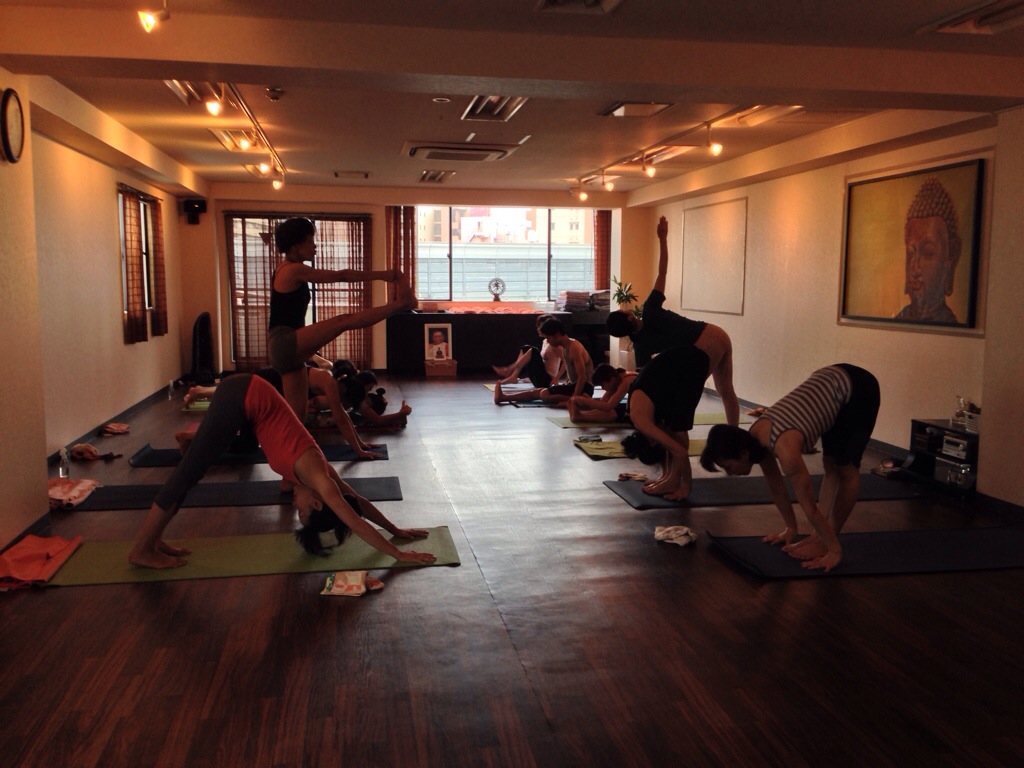
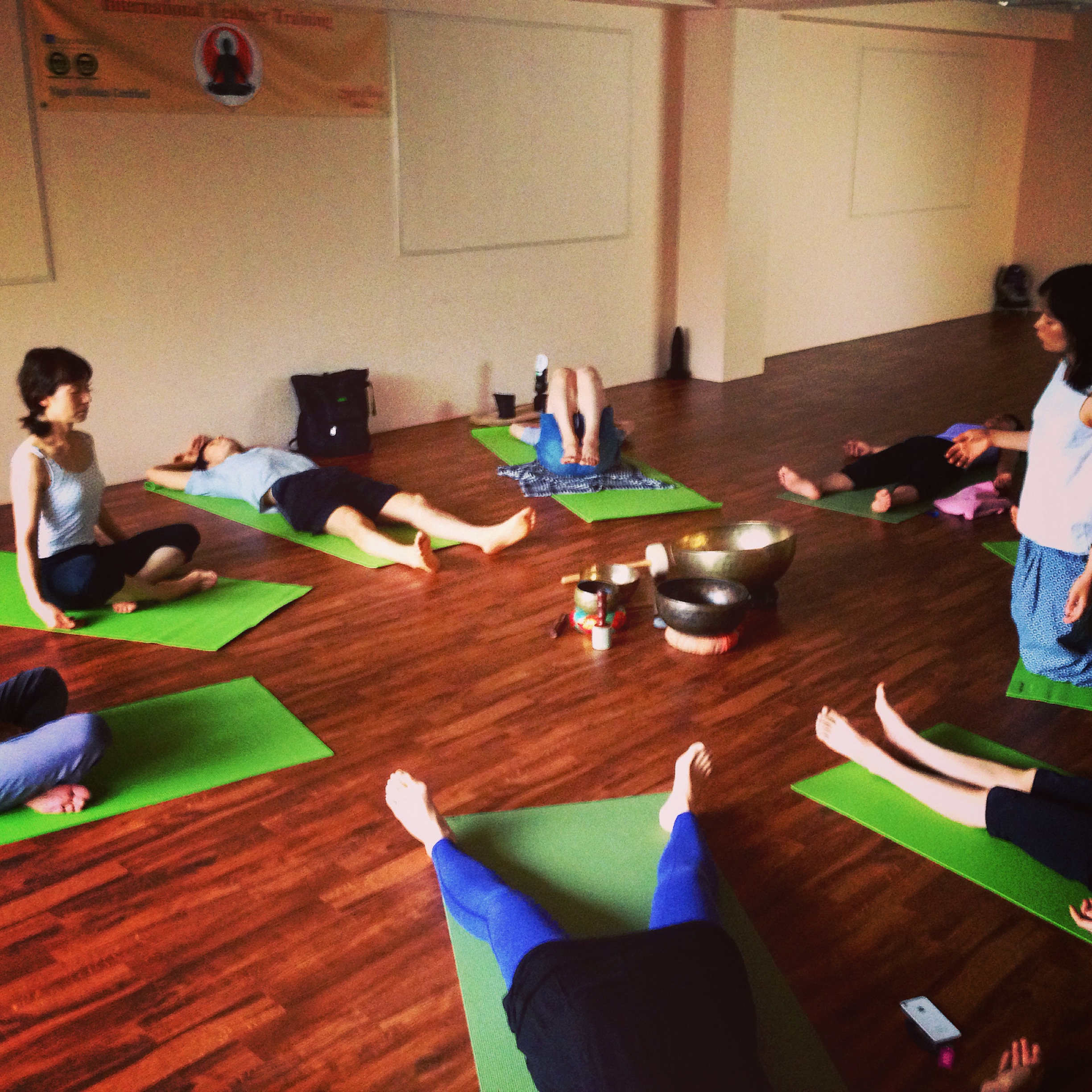
PHOTO: This morning’s full power led primary class. Gambatte! One Friday led class to go before I turn over the Mysore program to the lovely Veronique Tan, returning from a special 2-month month course with our teacher Sharath Jois.

The Distance

Image

Sometimes, we see only what is directly in front of us. Rarely do we see the entire picture clearly. 

Many times, we see faintly the shapes and shades ahead. It is obscure and hard to grasp. But we know that something is there awaiting discovery, we just need to turn the corner, get past the horizon. 

At best, we feel excited and hopeful about the prospects. Although, more often than not, what we do not know fills us with fear or uncertainly. 

It is like this in life. It is like this in practice. 

Just keep on walking the path, keep on practicing, keep on living. Glance out if you must, let the eyes seek out the distance for familiar landmarks or important signposts to keep you on the right track, but, then, bring them back into the moment. One day, everything will become more apparent. 

PHOTO: Dashoor “Bent” Pyramid in the outskirts of Cairo, Egypt. I am happy to announce that I will be returning to Egypt in October and November to lead several yoga retreats with various partners who I enjoyed working with last year. Egypt has been one of the big surprises of my life. It will be my third trip there within a year. For those interested in coming on retreat with me in Egypt, please be on the look out for retreat announcements.

Lila, Play of Practice

IMG_6753 IMG_6758 IMG_6762

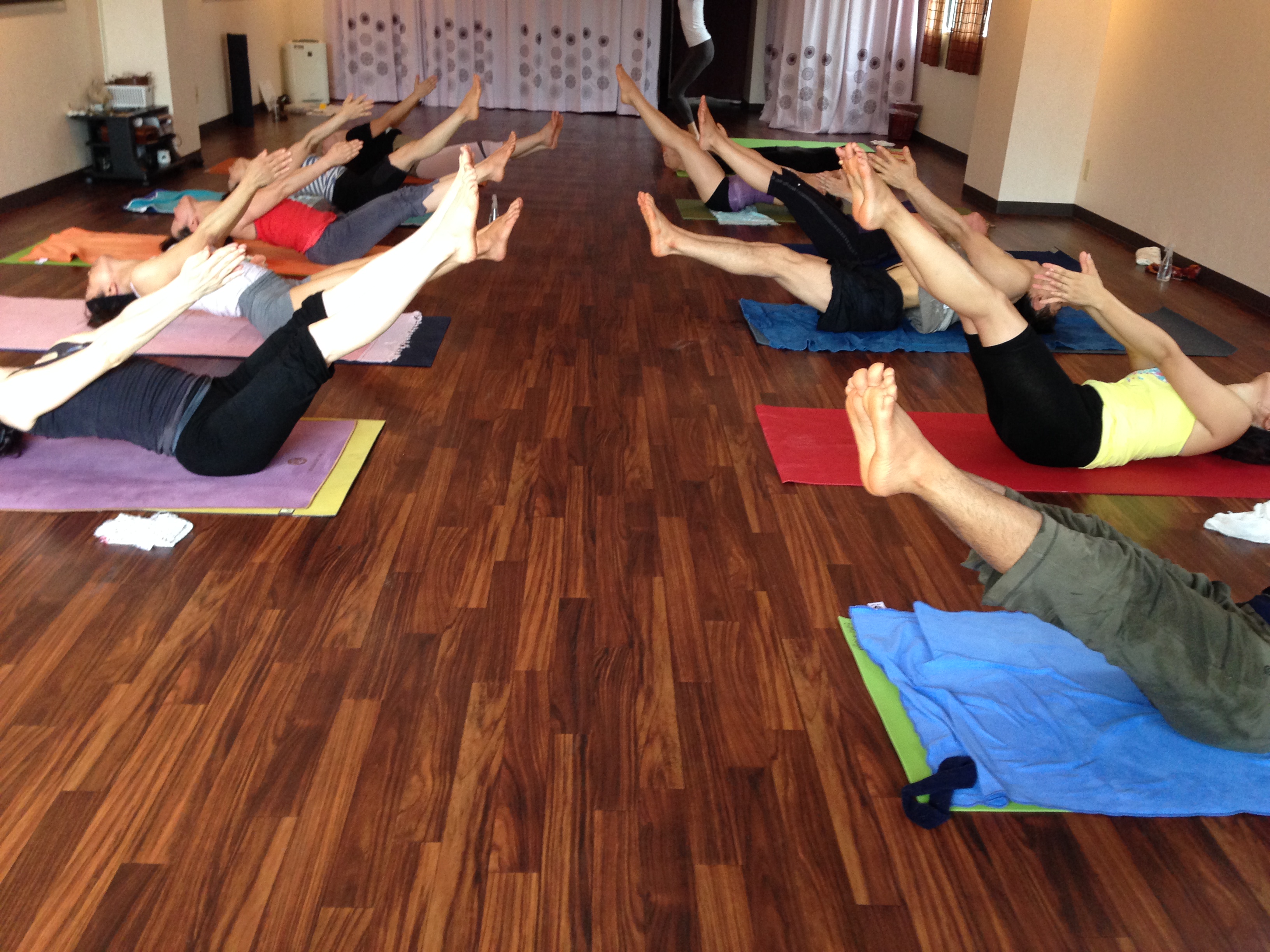
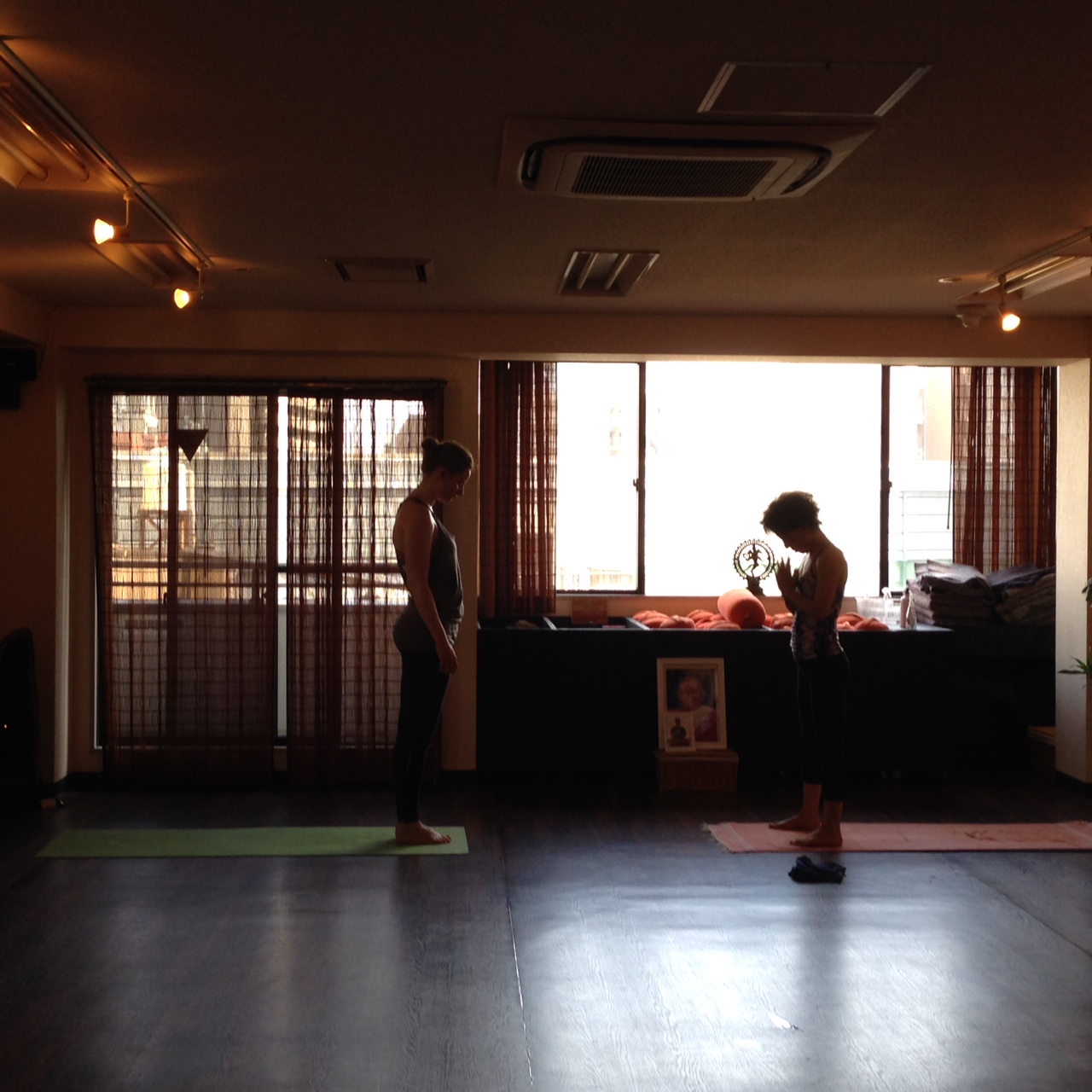
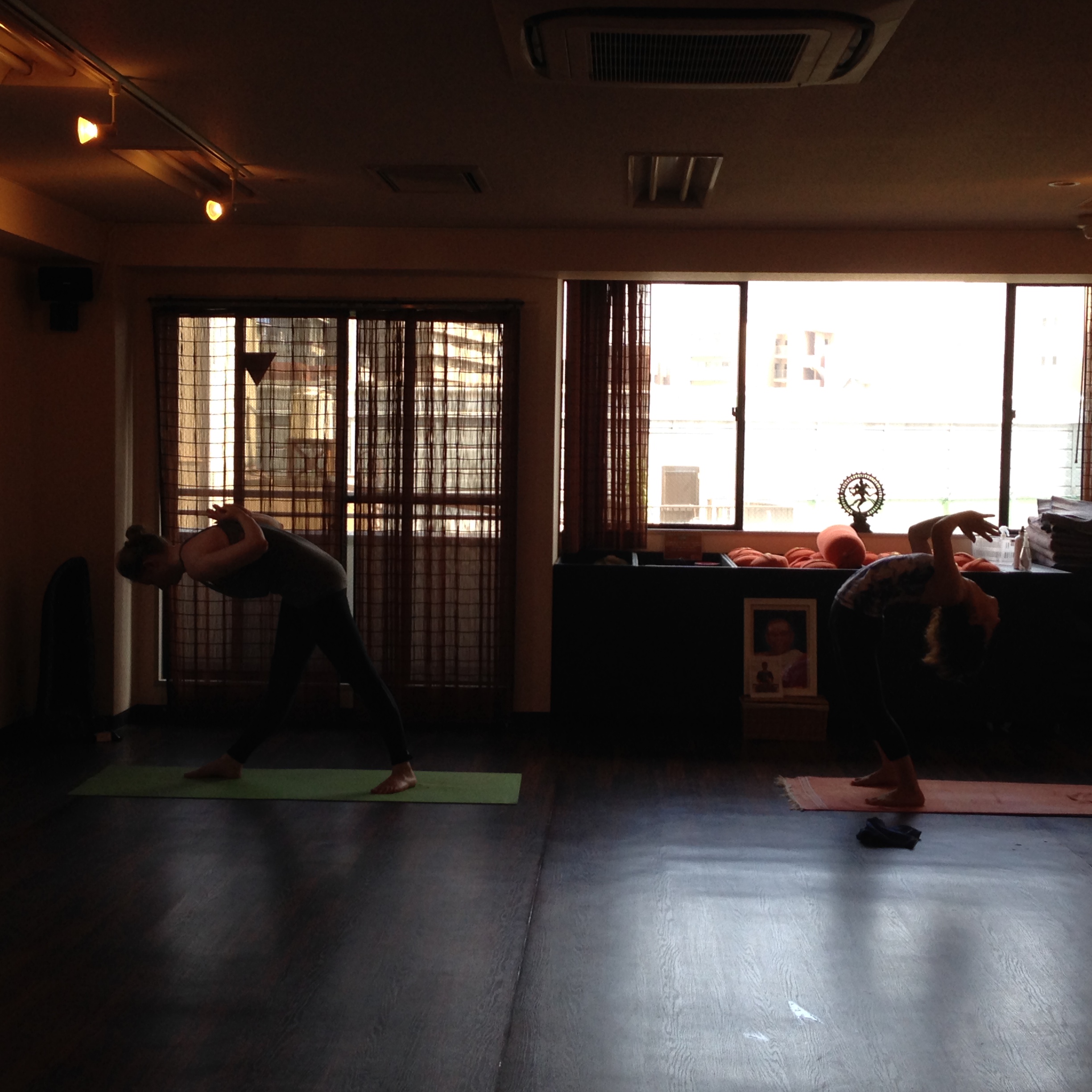
Looking at the photos above, one cannot escape the physicality of the ashtanga practice. Yes, our bodies take shapes in space. Yes, we move up and down the mat, tumbling back and hopping forward. It can look acrobatic. It can look a bit–at times, a lot–like the play of a contortionist. 

And at times, we get stuck in this play, in what appears like a sportive drama. We get preoccupied with the form, in what the asana looks like, instead of what it feels like. But this too is a part of the “lila”– in Sanskrit, “lila” is used to (depending on the tradition) describe the play between the Divine and the human world, the Absolute consciousness and “prakriti” or nature. And this play exists for our benefit, for our own awakening, so that we may go beyond the drama, that we may go beyond the physical. 

We do not practice sport. In Mysore, India, when I myself study, our teacher often reminds us, sometimes reprimands us! that practice is our “sadhana.” It is a “spiritual practice.”

And that all this play, this lila will lead us to remembering–to remembering who we are; that we are Conscious Soul-Full beings.

PHOTO: Led Primary two Fridays ago here in Spirit Mysore Osaka. Spirit students embodying that beautiful play between the physical practice and deep personal work that inevitably happens along with it.

Found in Translation: Surrender

P1250814

Osaka, Japan. More than one month down, less than one month to go.

Being in Japan, wandering the streets, unable to access the overabundance of information, which translates into–for a foreigner like myself, anyway–white noise, reminds me of Bill Murray in Sofia Coppola’s “Lost in Translation.” How he navigates Tokyo with a charming sort of disconnect.

Despite the language barrier, teaching here, reminds me how universal the language of yoga is. And thank goodness, because my embarrassingly rudimentary Japanese just barely includes instructions on breath and straightening knees.

My moments of Lost In Translation, well, they’re not too bad. If anything, they’ve been great opportunities for greater understanding .

Two weeks ago, during Satsang, we looked at the word “surrender”–quite possibly one of the most overused and often misunderstood words that pours forth from the mouths of yoga teachers. I admit, I am a fan of this word! It works so well at capturing the spirit of letting go, of relaxing into the moment.

In Japan, however, the word doesn’t translate so well.

Telling a Japanese student to surrender can be a little confusing, especially when it translates to “kofuku” or “to give up fighting.” Translated thus, surrendering seems like a strange suggestion. Give up?! But why?!

Another word, I’ve been told, that fits better is “yutaneru,” which means “to let it go.” In the yoga context it is the letting go of our tension and of our expectations and attachments; it is allowing for flow.

In Satsang that Friday, I explained that surrendering is letting go of the ideas and the patterns that do not serve us–that we give up, not a fight, but all the things that limit us, that keep us from expanding.

Truth: understanding surrender isn’t easy for any culture, for any person. We all have our holding patterns. It hasn’t been easy for me personally either. Surrendering is a constant challenge; and learning it has been at the core of my own yoga practice and life journey. Maybe that’s why student/teachers like myself keep going back to it. We know that’s what needs to be done, we also know that it’s pretty damn hard to really do it. We are all just learning.

I always remind myself that surrendering (like yoga) is a process. It’s not about achieving an end goal, but just allowing ourselves to embody the action, allowing ourselves to let go little by little and to flow more and more. Like Guruji said, “Practice, practice all is coming.”


Grateful for the lessons in surrender here in Japan. Thank you to teacher and fab assistant Tomomi Takeuchi for sharing her spot-on translation of “surrender” in Japanese. 

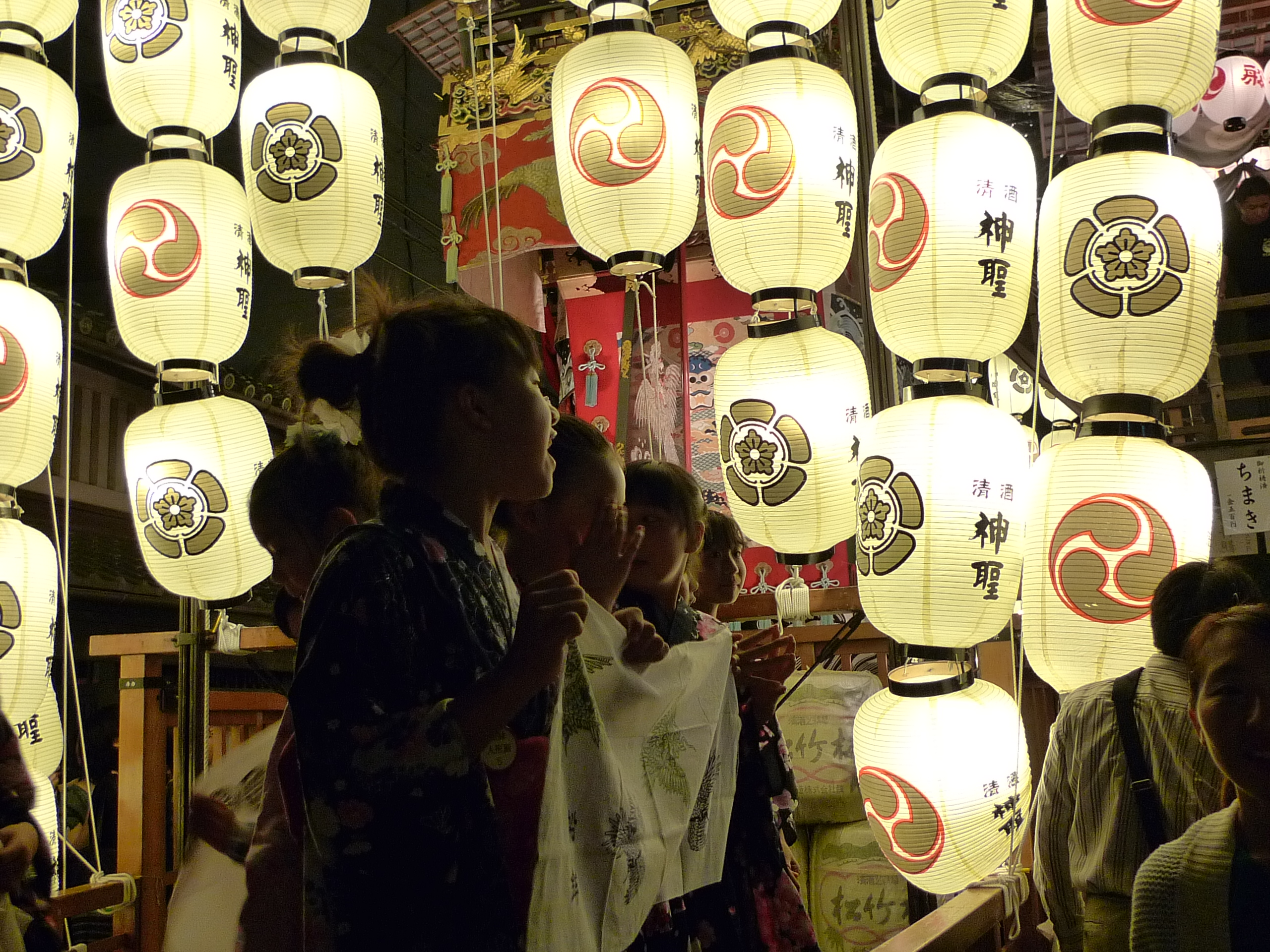
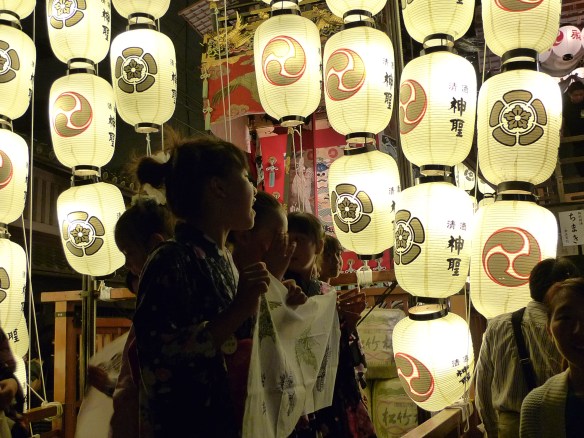
PHOTO: Gion Matsuri, Kyoto, Japan.

A Different Kind of Knowing

20140805-210304-75784454.jpg


This morning as I looked around the room, watching the students who I’ve been working with for at least one month now here in Osaka, I could not help but feel amused as I mused how little I know about them. 

What are their jobs, for example? What are their likes and dislikes? What is their story and their family drama? What is their life like outside the mysore room which we share for an hour and half or two hours for six mornings each and every week. And yet, there is this common ground: the practice. And for me, as a teacher, I feel incredibly blessed to be able to see and experience and assist in their incredible personal process called yoga. 

As I looked around, I could not help but feel joyful knowing a person in this way. To know nothing of the roles or the back-stories that color one’s identity and to simply experience one in action. How full each one is as he or she moves with intention, embodying the practice in each breath and simply be-ing. It is experiencing people, not as nouns, but as verbs. 

And then, there are those exquisite moments, beyond verbs, where there are no words…

PHOTO: Spirit Mysore students heating up the room this morning AND inspiring me with their practice! 

Incredibly grateful to have one more month here, teaching these dedicated practitioners here in Spirit. Mysore Classes: Sunday 7:30-10am; Monday-Thursday 6:30-10am; Friday Led Class 6:45am followed by Satsang.

IMPORTANT SCHEDULE ANNOUNCEMENTS: To offset Obon holiday on Monday, we will be having Saturday Mysore, August 9. Sunday, August 10 is a Moon Day and there will be no class.  

Spirit(ed) Inner Dance

IMG_6374

It’s amazing how a great deal of work, deep excavation can happen so quietly.

Inner dance can be wild, there can be a great deal of movement and noisemaking.

Likewise, it can take on the subtle work. Participants dive inwards. The shifts are are massive tremors underneath the surface, with only some signs above ground. Facial fissures telling tales of secret journeys, openings. Release comes in tears.

My experience here in Japan is that inner dance, which is evocative but profoundly quiet.

Last Sunday’s ID was no exception. Felt particularly blessed to work with participants who I have been teaching nearly everyday for the last month. A Mysore program has it’s own special alchemy. Trust is there. So is the willingness to go deep. Feeling blessed that one tool can help support the other. That ultimately the goal is the same, remembering who we really are.

PHOTO: Sacred Inner Dance Circle last Sunday, 27 July.

The next scheduled ID here in Spirit Yoga Osaka is Sunday, August 31, 11:30am-1pm.

Mysore Meeting Place

photo-2IMG_5677


There may be no words, no looks. No exchange of names. No memories other than bodily shapes in space, movement, and breath. Yet, this is where we meet.

This place where there is no dress code, no make up, there are no formalities. We are allowed to be ourselves, different and at the same time feel as if we are in perfect harmony, no matter what culture we hail from, what body type we have, what age group we belong to, whatever our range of flexibility might be, whatever our skill or talent or experience.

We meet here: in this sacred space of unifying energy, sadhana, practice.  

PHOTOS: Spirit Yoga Osaka, Morning Mysore. These images of Melissa and Naoko practicing remind me of the profound unifying energy of practice. The poetry of what happens in a mysore room. 

Soaking up the inspiration here in Osaka! I am in my second and last month of covering for Veronique Tan here in Spirit Mysore Osaka. Mysore Morning schedule in August: Sunday 7:30am, Monday to Thursday, 6:30-10am. Friday 6:45am Led Primary, followed by Satsang. 

Friday Spirit Satsang: Surrender

IMG_5786

We often say the word “surrender” in the yoga world. Surrender to the practice. Surrender to your teacher. Surrender to your mat.

Is it to throw oneself into practice or to relax deeply? Is it to give up or to offer? How does this surrender help our practice?

July 25, Friday Led Primary at Spirit Yoga Osaka (6:45am) will be followed by Satsang. We will continue to work on chanting in Sanskrit. But our topic of discussion will be the Art of Surrender. 

“Satsang” – “Sat” means truth, while “sangha” means gathering. Satsang is a gathering of people seeking and sharing truth. 

PHOTO: Last Friday’s led primary class. A room full of yogic warriors.  

— 

ヨガ界ではよく「降伏」という言葉が使われます。「練習に降伏する」、「先生に降伏する」、「マットに降伏する」。


これらは練習に没頭するということでしょうか?それとも深いリラクゼーションのことを意味しているのでしょうか?これらはあきらめるということでしょうか?それとも自分を捧げるということでしょうか?この「降伏」は私達の練習にどのように役立っているのでしょうか?


7月25日の金曜日6:45よりSpirit Yogaにてレッドプライマリーのあとサットサングを行います。サンスクリットでのチャンティングを引き続きやっていきましょう。明日のお話のトピックは「降伏」のテクニックについてです。


サットサング: 


サットは真実を意味し、サンガは集まりを意味します。つまりサットサングとは真実の分かち合いを求めている人達の集まりです。


写真は先週の金曜日のレッドプライマリークラスの様子です。ヨギックウォリアーズでいっぱいですね!